

23 Sep How to Safely Handle Exposed Wiring Without Getting Shocked
Walking into a room and seeing exposed wires dangling from the ceiling or jutting out of a wall is a stomach-dropping moment for any homeowner. Whether it’s the result of an unfinished renovation, accidental damage, or older infrastructure starting to fail, exposed wiring represents a serious safety hazard. It’s not just an eyesore; it’s a potential source of electrocution and a significant fire risk.
While electricity is essential for modern living—powering everything from our interior lighting to smart thermostats—it demands respect. Many homeowners feel the urge to “DIY” a quick fix to save time, but electricity is unforgiving of mistakes. Knowing what to do (and more importantly, what not to do) when you encounter bare copper or damaged insulation can save your home and your life.
In this guide, we will walk you through the immediate steps to take if you find exposed wiring in your home. We will cover how to assess the danger, temporary safety measures you can take, and when it is absolutely necessary to call in a professional for residential electric services.
Identify the Immediate Danger
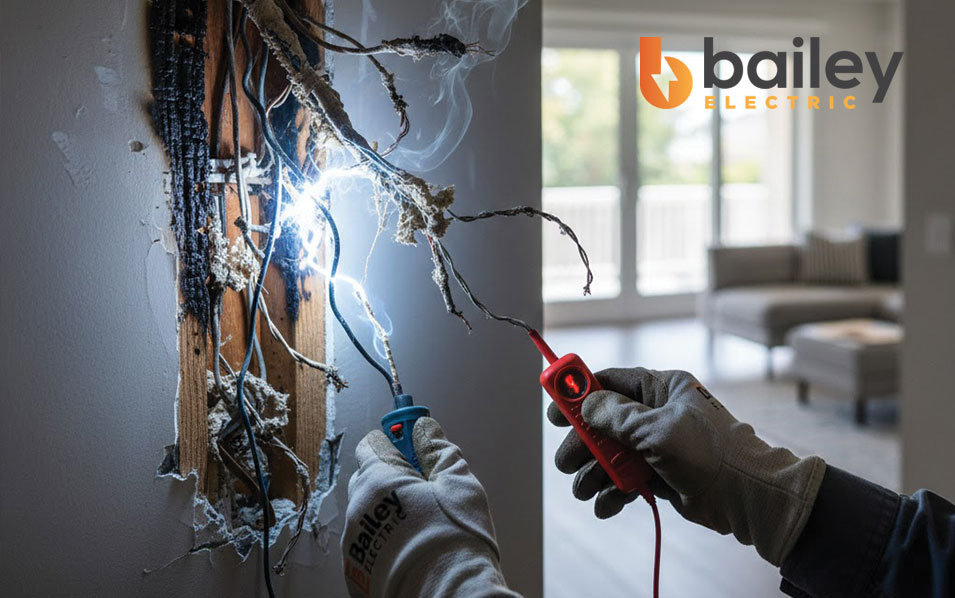
Before you even think about touching a wire or grabbing a tool, you need to assess the situation from a safe distance. Exposed wiring can occur in many forms, from a frayed cord on a lamp to serious structural wiring issues inside your walls. The first rule is simple: treat every single wire as if it is live and carrying a lethal current.
You might encounter exposed wiring during tasks like changing electric outlets or after moving heavy furniture. Sometimes, rodents chewing through insulation in the attic or basement can leave wires bare. If you see sparks, smell burning plastic, or notice smoke, evacuate the area immediately and call emergency services. If the situation seems stable but hazardous, your priority is to cut the power source before doing anything else.
Shut Off the Power at the Breaker
The only way to make an exposed wire safe to approach is to de-energize it completely. You cannot rely on a wall switch to ensure the power is off, as switches can be bypassed or faulty.
Locate Your Electrical Panel
Find your main service panel (breaker box). This is usually located in a garage, basement, or utility room. If you are unfamiliar with your panel, look for a large metal box with a door.
Turn Off the Correct Circuit
Open the panel door and locate the circuit breaker that corresponds to the room or appliance where the exposed wire is located. Flip the switch to the “OFF” position. If your panel is not labeled, or if you are unsure which breaker controls that specific wire, it is safer to turn off the main breaker at the top of the panel. This will cut power to the entire house.
Verify the Power is Off
Never assume the power is off just because you flipped a switch. Use a non-contact voltage tester—a small, inexpensive tool available at most hardware stores—to test the wire. Bring the tip of the tester near the wire without touching it. If the tester beeps or lights up, the wire is still live. If you don’t have a tester, or if you aren’t comfortable doing this, call a professional for electrical troubleshooting immediately.
Common Scenarios and How to React
Exposed wiring happens in various contexts. How you handle it depends on where the wire is and what caused the exposure.
Damaged Cords and Plugs
Frayed cords on lamps, toasters, or vacuum cleaners are common. This often happens from wear and tear or pets chewing on them. Do not try to wrap these in standard office tape. The safest route is to replace the device or having the cord professionally replaced. If the damage is to an extension cord, discard it and buy a new one.
Renovation Surprises
During a remodel, you might take down a wall and find a mess of wires. Perhaps you were planning on changing a light switch or preparing for ceiling fan installation and discovered crumbling insulation. In older homes, you might find “knob and tube” wiring, which can be brittle and dangerous if disturbed. If you uncover wiring you didn’t expect, stop your project. Do not try to push the wires back in or cover them with drywall until a professional has inspected them.
Broken Outlets and Switches
A cracked faceplate on an outlet exposes the terminals on the sides of the receptacle. These terminals are hot. If you are changing electric outlets and notice the wires are loose or the insulation is stripped back too far, leaving copper exposed, this is a hazard. This often requires trimming the wire and re-stripping it properly, a task best handled by someone with experience in electrical repair.
Temporary Safety Measures
If you cannot get an electrician to your home immediately, you may need to secure the area to protect your family and pets. These are temporary measures only and do not replace a permanent repair.
- Electrical Tape: If the copper is visible and you have confirmed the power is 100% off, you can carefully wrap the exposed section with high-quality vinyl electrical tape. Wrap it tightly and extend the tape well past the damaged area on both sides.
- Wire Nuts: For loose wire ends (like those left after removing a light fixture), use wire nuts (caps). Twist the nut clockwise onto the end of the wire until it is tight. Pull gently to make sure it doesn’t slide off.
- Block Access: If the wiring is low to the ground or easily accessible, place a heavy piece of furniture (like a chair) in front of it to prevent children or pets from getting too close.
When to Call a Professional Electrician
While changing a lightbulb is a DIY task, handling exposed wiring usually crosses the line into professional territory. Electricity is complex, and a mistake can lead to hidden fire risks behind your walls. You should reach out to Bailey Electric for residential electric services in the following situations:
1. You Are Unsure of the Power Source
If you flip breakers but your voltage tester still shows the wire is live, stop immediately. You may have a crossed circuit or a wiring issue that requires advanced electrical troubleshooting. Do not touch the wire.
2. The Insulation is Melted or Scorched
Heat damage indicates that the circuit is overloaded or there is a loose connection causing arcing. Simply taping over this won’t fix the root cause. You need a professional to inspect the circuit breakers repair needs and the load on that line.
3. Water is Involved
Water and electricity are a deadly combination. If the exposed wiring is near a leak, a pool, or a hot tub, do not attempt to fix it yourself. This includes issues with hot tub wiring or electrician for exterior lighting near sprinklers. Call a pro who can safely handle wet conditions.
4. You Need a System Upgrade
If the exposed wiring is due to old, crumbling cloth insulation, your home may need wiring and rewiring. This is a significant job that ensures your home meets modern safety codes. This is also a good time to discuss upgrades like smart switch installation or electric vehicle charger installation if you are already opening up walls.
Preventing Future Wiring Issues
Once your immediate wiring issue is resolved, preventative maintenance is key to keeping your home safe. Regular inspections can catch problems before they become emergencies.
Consider installing GFCI (Ground Fault Circuit Interrupter) outlets in wet areas like kitchens, bathrooms, and outdoor spaces. GFCI electrician services can install these outlets, which are designed to cut power instantly if they detect a ground fault, preventing shocks. Similarly, ensuring your smoke & carbon monoxide alarm installation is up to date provides an early warning system if a hidden electrical fire does start.
If you are adding new loads to your home, such as a garage car charge installation or extensive outdoor lighting, ensure your panel can handle it. Overloading a system causes heat, which degrades insulation and leads to exposed wiring over time.
Safety First, Always
Exposed wiring is a silent threat that requires immediate and careful attention. By turning off the power, assessing the damage, and knowing when to call for help, you can manage the risk effectively. Never compromise on safety to save a few dollars or a few minutes.
If you are located in Salt Lake City or the surrounding areas and are dealing with exposed wiring, don’t face it alone. Bailey Electric offers comprehensive residential electric services, from light fixture replacement to major rewiring projects.
Sorry, the comment form is closed at this time.