

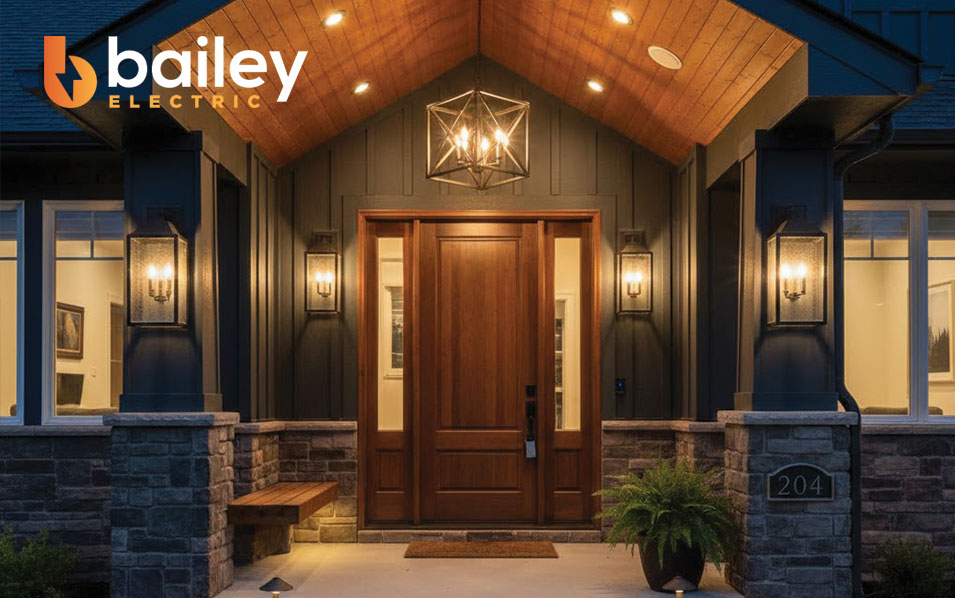
11 Apr Enhance Your Curb Appeal: The Best Outdoor Lighting for Front Porches
Your front porch is more than just a transition space between the outdoors and your living room; it is the handshake of your home. It sets the tone for visitors, discourages unwanted guests, and offers a warm welcome after a long day. Yet, many homeowners treat porch lighting as an afterthought, relying on a single, dim bulb installed by the previous owners decades ago.
Choosing the right illumination involves balancing aesthetics with functionality. The perfect fixture can elevate your home’s architecture, while the wrong one can leave your entryway looking unbalanced or uninviting. Beyond looks, proper lighting is a critical safety feature. Navigating steps in the dark is a recipe for injury, and a well-lit exterior is one of the most effective deterrents against intruders.
Whether you are looking to update a tired facade or are in the middle of a new construction project, understanding your options is the first step. This guide explores the best lighting styles for different porches, the technical requirements for outdoor safety, and why professional installation matters.
Why Exterior Lighting is Essential
Before diving into styles and finishes, it is helpful to understand the three primary layers of light needed for an effective front porch. A single overhead light often casts harsh shadows, which can actually make visibility worse. A comprehensive approach ensures your home looks great and functions perfectly.
Ambient Lighting
This is your general lighting. It substitutes for natural daylight and allows you to see the walkway, the door handle, and your keys. This is usually achieved with ceiling mounts, hanging pendants, or wall lanterns.
Task Lighting
Task lighting focuses on specific areas where you perform activities. On a porch, this might mean illuminating the house number so delivery drivers can find you, or lighting up a seating area where you read in the evenings.
Accent Lighting
This is the drama layer. Accent lighting highlights architectural features, such as columns, stone work, or unique landscaping. It adds depth and dimension to your home’s exterior profile.
Choosing the Right Fixture Style
The style of your home should dictate the style of your lighting. A sleek, matte black cylinder light might look perfect on a mid-century modern home but completely out of place on a Victorian farmhouse. Here are the most popular categories:
Wall Sconces and Lanterns
These are the most common fixtures, typically flanking the front door. For symmetry and balanced light distribution, installing two lights (one on each side) is ideal. If you only have room for one, place it on the doorknob side to make unlocking the door easier.
Pendant Lights and Chandeliers
If you have a high porch ceiling, a hanging light can create a stunning focal point. This creates a sense of grandeur and helps center the space. However, you must ensure the fixture is rated for outdoor use, specifically “damp” or “wet” locations depending on exposure to the elements.
Flush and Semi-Flush Mounts
For porches with lower ceilings, flush mounts are a practical necessity. They hug the ceiling, keeping the walkway clear while providing wide-spread ambient light. Modern LED versions can be incredibly slim and powerful.
Recessed Lighting
For a clean, minimalist look, recessed lighting (or “can lights”) is a fantastic option. These are installed directly into the porch ceiling, making them invisible until turned on. This is often the best choice for achieving bright, even light without adding visual clutter.
Sizing and Placement: getting the Math Right
One of the most common mistakes in Exterior Lighting is selecting fixtures that are too small. When you are standing in a lighting showroom, a fixture might look huge, but once placed against the vast backdrop of your home’s siding, it can look miniature.
A good rule of thumb for wall lights is that the fixture should be approximately one-third to one-quarter the height of the front door. If you are installing two lights, you can skew slightly smaller. If you are installing a single light, go larger.
For hanging lights, ensure there is at least seven feet of clearance from the bottom of the fixture to the floor to prevent tall guests from bumping their heads.
Technical Considerations for Safety and Efficiency
Outdoor lighting faces challenges that indoor fixtures do not: rain, snow, wind, and extreme temperature fluctuations. This requires specialized equipment and careful electrical planning.
Weather Ratings
Fixtures are rated as “Dry,” “Damp,” or “Wet.” A light under a covered porch that never receives direct rain might get away with a Damp rating. However, any fixture exposed to wind-blown rain or snow must be Wet rated. Installing the wrong type is a fire hazard and will lead to premature rust and failure.
GFCI Protection
If you plan to add holiday lighting or lamps to your porch, you will need accessible power. GFCI Electrician Services are vital here. Ground Fault Circuit Interrupters (GFCI) are designed to shut off power instantly if water creates a dangerous electrical path. If your porch outlets are old or not tripping correctly, you need electrical troubleshooting immediately.
Smart Integration
Modern porches are getting smarter. Smart Switch Installation allows you to control your porch lights from your phone or set them to turn on automatically at sunset. This is a massive security upgrade; even when you are on vacation, your home looks occupied. You can also integrate these with Electric Vehicle charger installation setups or smart doorbells for a cohesive smart home ecosystem.
The Importance of Professional Installation
While swapping a light bulb is a DIY task, replacing fixtures or adding new ones involves handling live wires, ensuring proper grounding, and weatherproofing connections. Poorly installed exterior lighting is a leading cause of residential electrical fires.
Hiring a professional for light fixture replacement ensures that the junction box is secure and can support the weight of the new fixture. This is particularly important for heavy ceiling fans or large chandeliers. Furthermore, if your home is older, the wiring insulation may be brittle or outdated. A professional can assess if you need Wiring and Rewiring A Home services to support modern, high-output lighting safely.
Additionally, if you are adding new lights where none existed before, you will need a qualified Electrician for Exterior Lighting to run new lines and potentially perform Circuit Breakers Repair or upgrades to handle the increased electrical load.
Other Electrical Upgrades for Your Porch
Once you have an electrician on-site for your lighting, it is the perfect time to address other electrical needs that improve your porch’s utility:
- Ceiling Fan Installation: A damp-rated ceiling fan can keep bugs away and provide a cool breeze during hot Utah summers.
- Changing Electric Outlets: Upgrading to covered, weather-resistant outlets allows you to plug in electric grills or festive decor safely.
- Smoke & Carbon Monoxide Alarm Installation: While typically indoor devices, ensuring your entryway is protected provides peace of mind.
- Electrical Repair: If you notice flickering lights or buzzing sounds, these are warning signs that require immediate professional attention.
Brighten Your Home with Confidence
Upgrading your front porch lighting is a high-impact project that delivers immediate returns in beauty and safety. Whether you choose a statement pendant light or subtle recessed LEDs, the key to a long-lasting result is quality materials and professional implementation.
Don’t let electrical complexities leave you in the dark. From changing light switch hardware to full-scale Residential Electric Services, proper installation ensures your lights shine bright through every season.
If you are ready to transform your home’s exterior, contact Bailey Electric today. Our team of experts specializes in interior lighting, outdoor illumination, and ensuring your home’s electrical system is safe and up to code.
Sorry, the comment form is closed at this time.